

Powder Coating: Innovation and Future of Eco-Friendly Coating Technology
I. Overview
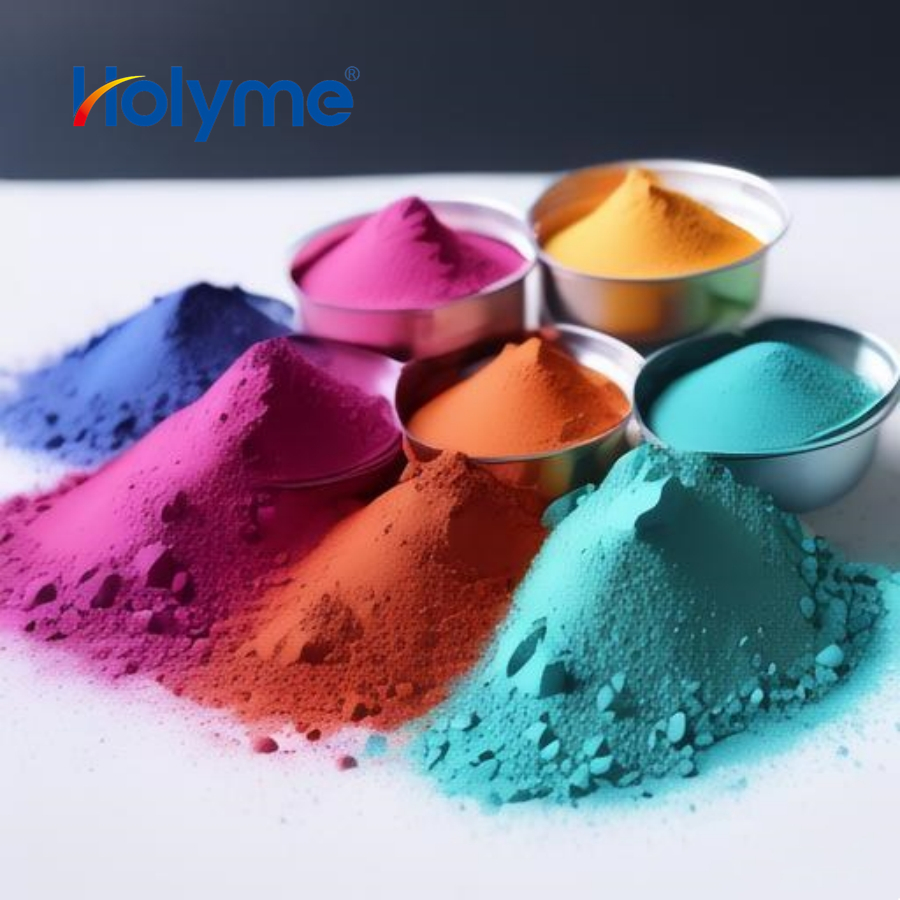
Powder coating is an environmentally friendly coating material in solid powder form. Unlike traditional solvent-based liquid coatings, it requires no organic solvents. Through electrostatic spraying or fluidized bed processes, it adheres to substrates such as metals and wood, forming a dense coating after high-temperature curing. Since its inception in the 1950s, powder coating has become a core solution in industrial coating due to its efficiency, eco-friendliness, and durability, driving the global coatings industry toward greener transformation.
II. Historical Development
The rise of powder coatings originated from environmental regulations. In the 1970s, strict VOC emission controls in Europe and America forced traditional solvent-based coating manufacturers to seek alternatives. Powder coatings stood out with their zero-VOC emissions and high utilization rate (up to 99%). Entering the 21st century, breakthroughs in materials science and process technology expanded their applications from metals to wood and plastics. Innovations like low-temperature curing and thin-film technology further reduced energy consumption and costs.
III. Application Fields
Industrial Manufacturing: Widely used in appliances (refrigerators, AC housings), automotive parts (wheels, engine components), and machinery to enhance corrosion resistance and aesthetics.
Construction: Aluminum windows, curtain walls, and steel structures employ powder coatings for long-term weather resistance.
Furniture & Electronics: Wood-effect coatings for furniture and uniform coatings for electronic device casings via electrostatic spraying.
New Energy: Solar mounting systems and EV battery housings rely on powder coatings for insulation and protection.
IV. Advantages and Limitations
Core Strengths:
Eco-Friendly: No solvent emissions during production, reducing carbon footprint.
Cost-Effective: Reusable overspray powder lowers long-term costs versus liquid coatings.
Superior Performance: High hardness, impact resistance, and >10-year lifespan.
Challenges:
Color changes require thorough equipment cleaning, limiting flexibility for small batches.
High heat resistance demands for substrates (typically 130-200°C curing).
Uneven coating on complex geometries.
V. Industry Status
According to Grand View Research, the global powder coating market reached $15.6 billion in 2023, with a projected 6.5% CAGR from 2024 to 2030. China dominates 40% of global production but relies on imports for high-end products. Epoxy and polyester resins remain mainstream, while bio-based and waterborne variants grow rapidly. Intensified competition drives mergers (e.g., PPG’s acquisition of Alpha Coatings) for technological integration.
VI. Future Trends
Low-Temperature Curing: Sub-120°C formulas for heat-sensitive substrates like plastics.
Ultra-Thin Coatings: Reduce thickness from 60μm to 30μm without compromising performance.
Smart Manufacturing: AI-optimized spraying paths and robotic automation enhance efficiency.
Functional Coatings: Antibacterial, self-cleaning, and conductive variants for medical/electronics.
Circular Economy: Recycled powder systems and renewable materials (e.g., plant oil-based resins).
Conclusion
Driven by carbon neutrality goals and industrial upgrading, powder coating is transitioning from an alternative to a mainstream choice. Continuous material innovations and process advancements will expand its applications, positioning it as a key enabler of green industrial transformation. Future breakthroughs in technical barriers and supply chain collaboration may reshape the global coatings landscape.