

Powder coating for railings provides an efficient, durable, and aesthetically pleasing solution for protecting and enhancing the look of metal handrails, guardrails, balustrades, and other types of rail systems. This method has become increasingly popular due to its numerous advantages over traditional paint methods. Here’s a detailed overview of how powder coating benefits railings:
Advantages of Powder Coating for Railings
-
Durability: Powder-coated railings are highly resistant to wear and tear, including scratches, chipping, fading, and other forms of damage caused by exposure to elements such as UV rays, moisture, and chemicals. This makes powder coating ideal for both indoor and outdoor applications.
-
Adhesion: Unlike liquid paints that might peel off over time, powder coatings form a strong bond with the metal surface, providing long-lasting coverage even under harsh conditions.
-
Corrosion Resistance: Metal railings are prone to rust and corrosion, especially in humid or coastal areas. Powder coatings act as a barrier against corrosive agents, significantly extending the life of the railing system.
-
Customizability: With a wide range of colors, finishes, and textures available, powder coating allows you to customize the appearance of your railings to suit any aesthetic requirement. Whether it’s a sleek matte black for a modern building facade or a bright, glossy red for playground equipment, the options are virtually limitless.
-
Environmentally Friendly: Powder coatings emit fewer volatile organic compounds (VOCs) compared to liquid paints, contributing to better air quality and reduced impact on the environment.
-
Maintenance: Powder-coated railings require minimal maintenance. Regular cleaning with mild detergent and water is typically sufficient to keep the surface looking fresh and new.
-
Cost-Effective: Although initial investment costs may seem higher than conventional painting, the long-term savings from reduced maintenance and extended lifespan make powder coating economically advantageous.
Application Process
The process of applying powder coating involves several key steps:
-
Surface Preparation: Before coating, the metal surface must be cleaned thoroughly using sandblasting or chemical degreasing to remove dirt, oil, and rust. A clean surface ensures optimal adhesion of the powder.
-
Application: The powder is then applied electrostatically onto the prepared surface. The charged particles adhere evenly to the grounded metal object.
-
Curing: Once coated, the railing is heated in an oven, causing the powder to melt, flow out, and chemically cross-link into a hard shell. This step is crucial for achieving the final smooth and tough coating.
-
Inspection and Quality Control: After curing, the coated railings undergo a series of tests to ensure they meet the required standards for thickness, uniformity, and overall quality.
Common Uses
Powder-coated railings are widely used in various settings:
- Residential Areas: Balcony railings, staircases, and garden fences.
- Commercial Spaces: Office buildings, shopping malls, and public facilities.
- Industrial Sites: Factory walkways, safety barriers, and loading docks.
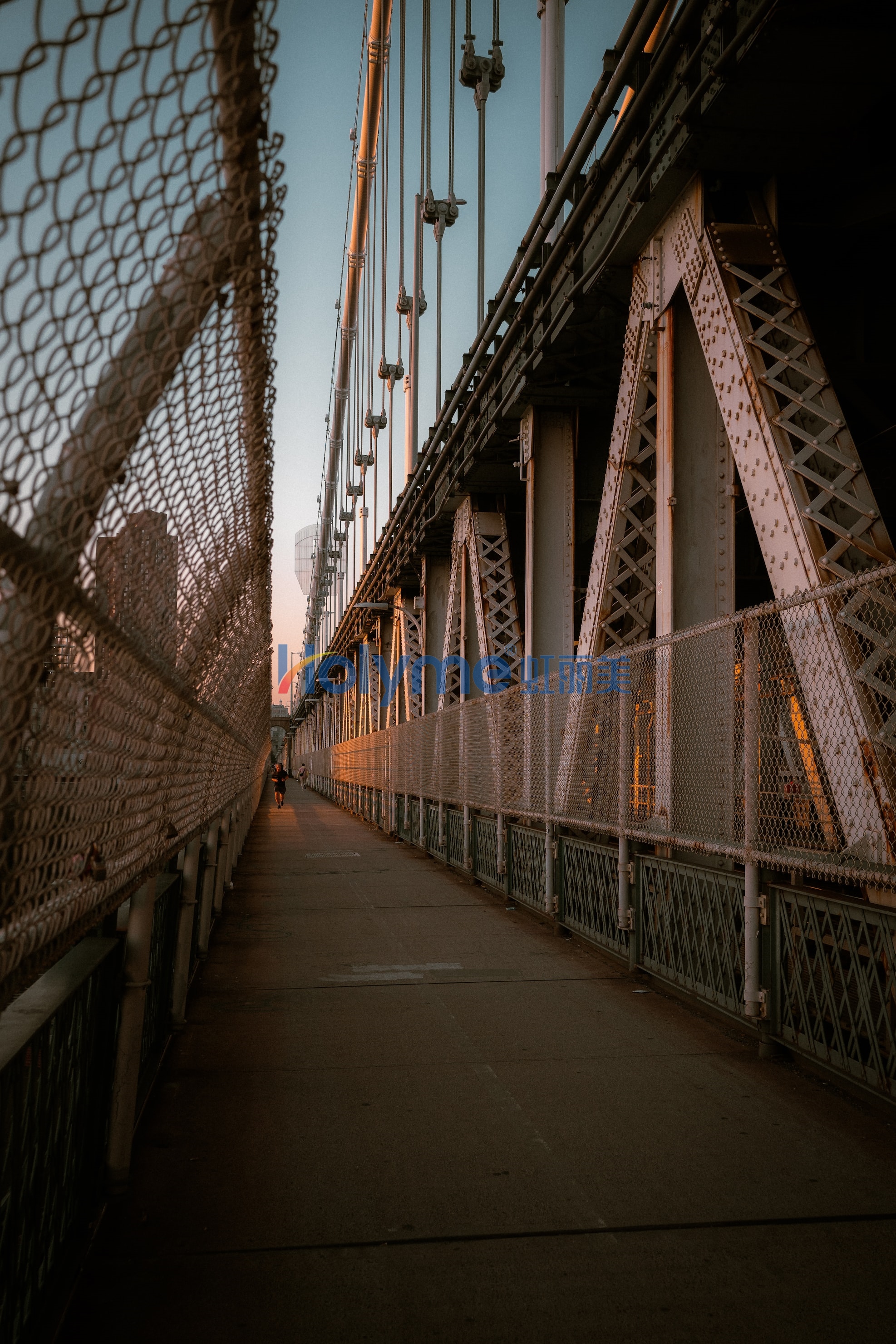
- Public Infrastructure: Bridges, bus stops, and pedestrian crossings.
- Leisure Facilities: Swimming pools, parks, and amusement parks.
By choosing powder coating for your railings, you’re investing in a robust, low-maintenance solution that will preserve the integrity and enhance the appearance of your structures for years to come. Whether you need functional safety features or decorative enhancements, powder coating delivers exceptional performance and style.
HLM(holyme) Powder Coating CO,.Ltd a leader in high-temperature resistant powder coatings, can professionally customize the production of high-temperature resistant powder coatings.